IIT Delhi and Cadence Launch AI‑Enabled Lab to Boost India’s Semiconductor Talent
IIT Delhi partners with Cadence to open an AI‑driven innovation lab aimed at strengthening India’s semiconductor workforce.
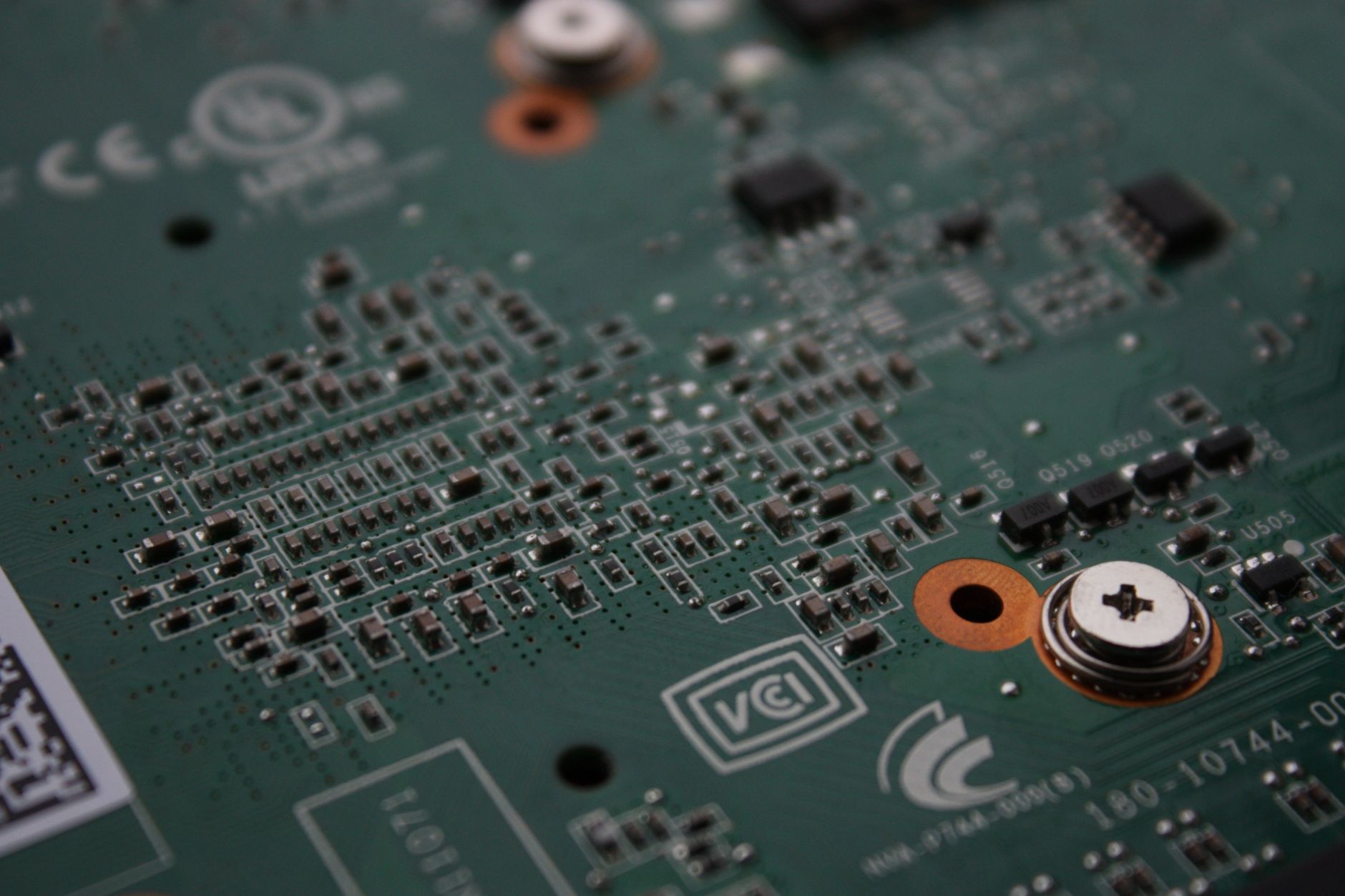
IIT Delhi and Cadence announced the launch of an AI‑enabled innovation lab on Thursday, marking a coordinated effort to nurture semiconductor expertise in India. The facility, situated on the IIT Delhi campus, will combine Cadence’s design‑automation tools with artificial‑intelligence research to create a hands‑on learning environment for students and professionals. The partnership is positioned as a response to the growing demand for skilled talent as the country expands its chip‑design ecosystem. By integrating industry‑grade software with academic curricula, the lab aims to accelerate the development of home‑grown design capabilities and reduce reliance on overseas talent pools.
What happened
The collaboration was formalised through a joint press release that detailed the lab’s scope and governance. Cadence, a global leader in electronic design automation, will provide its latest AI‑assisted design platforms, while IIT Delhi will supply faculty, research facilities, and a pipeline of engineering students. The lab will operate under a shared advisory board that includes senior executives from Cadence and senior professors from the institute. Training modules will cover everything from digital‑signal‑processor design to system‑level verification, with a particular emphasis on AI‑driven optimisation techniques. The initiative also includes scholarships for top‑performing students, internships with Cadence’s R&D teams, and a series of hackathons to stimulate practical problem‑solving. According to the announcement, the lab will be fully operational by the end of the calendar year and will initially focus on undergraduate and postgraduate cohorts.
Why it matters
India’s semiconductor ambition has been hampered by a shortage of skilled designers and engineers. By embedding AI tools directly into the academic environment, the lab addresses a critical skills gap that has slowed the country’s ability to design complex chips domestically. Cadence’s involvement brings industry‑standard workflows into the classroom, ensuring that graduates are job‑ready from day one. The partnership also signals confidence from a multinational vendor in India’s long‑term market potential, encouraging further foreign investment. For students, the lab offers exposure to cutting‑edge technology that would otherwise be accessible only through costly overseas programs. In the broader context of national initiatives such as the Production‑Linked Incentive (PLI) scheme for electronics, the lab provides a talent pipeline that could help India meet its target of becoming a global semiconductor design hub.
The bigger picture
The launch arrives at a time when India is aggressively courting semiconductor manufacturers and design houses. Government policies, including tax incentives and the establishment of semiconductor parks, aim to attract both fabrication and design activities. Parallel efforts by other academic institutions, such as the Indian Institutes of Technology in Chennai and Hyderabad, have also begun to incorporate AI into their VLSI curricula. Internationally, firms like Synopsys and Mentor Graphics have launched similar university collaborations in the United States and Europe, underscoring a global trend of aligning academic output with industry needs. In India, the move differentiates IIT Delhi as a pioneer in AI‑augmented chip design education, potentially prompting peer institutions to follow suit. The lab’s focus on AI also mirrors a broader shift in the semiconductor sector, where machine learning is increasingly used to optimise layout, reduce power consumption, and accelerate verification cycles.
What’s next
Stakeholders expect the lab to roll out its first batch of AI‑centric design courses in the upcoming semester. Cadence has hinted at a roadmap that includes the introduction of next‑generation tools for analog and mixed‑signal design, as well as collaborations on research papers that could be published in leading journals. The advisory board plans to host an annual symposium that will showcase student projects to industry leaders, creating a pipeline for recruitment. In the medium term, the partnership may expand to include joint patents or commercialisation of prototype designs emerging from the lab. Observers will watch for metrics such as the number of graduates placed in semiconductor roles, the volume of research output, and any follow‑on investments from other EDA vendors. If successful, the model could be replicated in other Indian engineering colleges, amplifying its impact on the national talent pool.
Key takeaways
- IIT Delhi and Cadence have launched an AI‑enabled innovation lab to train semiconductor talent in India.
- The lab combines Cadence’s AI‑assisted design tools with IIT Delhi’s academic resources and will offer scholarships, internships, and hackathons.
- It addresses a critical skills shortage, aligning with India’s broader push to become a semiconductor design hub.
- The initiative reflects a global trend of university‑industry collaborations in AI‑driven chip design.
- Future phases include new AI courses, an annual symposium, and potential joint research patents.
Frequently asked questions
What is the purpose of the AI‑enabled lab launched by IIT Delhi and Cadence?
The lab aims to provide hands‑on training in AI‑assisted semiconductor design, offering scholarships, internships and industry‑grade tools to develop a skilled talent pool for India's chip‑design ecosystem.
When will the lab become fully operational?
According to the joint announcement, the lab is expected to be fully operational by the end of the current calendar year.
How does the partnership fit into India's broader semiconductor strategy?
The initiative supports government efforts such as the Production‑Linked Incentive scheme by creating a pipeline of design‑ready engineers, helping India move toward self‑reliance in semiconductor development.