
Samsung Vision AI TVs and Philips Soundbars Lead May 27 Tech Updates
Samsung unveiled its Vision AI TV line while Philips rolled out new soundbars, marking the biggest gadget announcements in India on May 27, 2026.
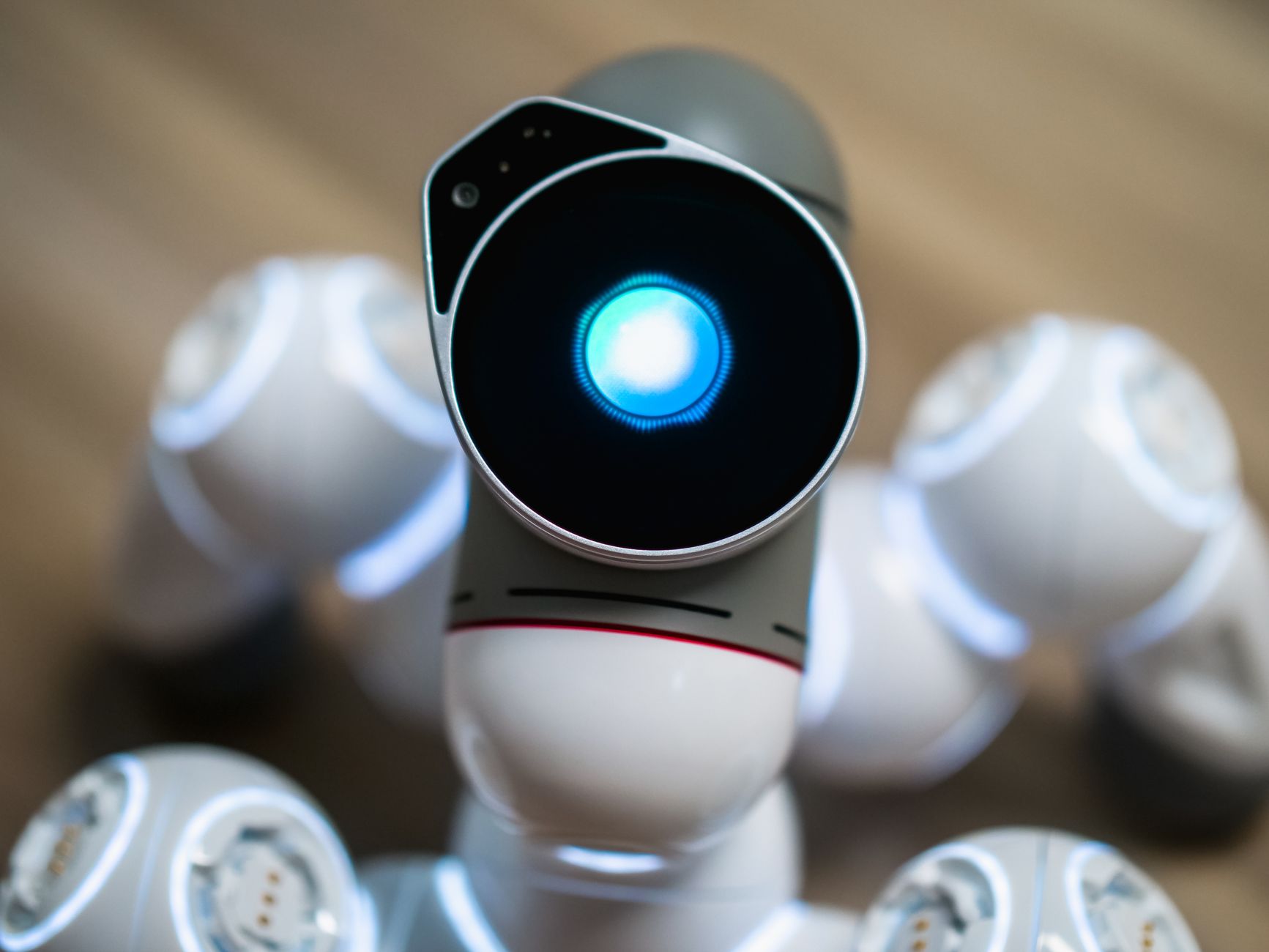
Samsung and Philips dominated today’s tech headlines with fresh hardware that pushes artificial intelligence and immersive audio further into Indian living rooms. On May 27, 2026, Samsung introduced its Vision AI TV series, promising AI‑driven picture enhancement, voice interaction and seamless integration with smart‑home ecosystems. At the same time, Philips announced a range of soundbars equipped with Dolby Atmos and adaptive sound‑field technology, aimed at delivering cinema‑grade audio for compact spaces. Both launches were covered in a roundup of gadget updates that also hinted at other, smaller releases across the sector, underscoring a busy day for consumer electronics in the country.
What happened
Samsung’s Vision AI TVs arrive as part of the company’s ongoing effort to embed deeper machine‑learning capabilities into its flagship displays. The new models feature a next‑generation Neural Processor that analyses each frame in real time, upscaling lower‑resolution content and adjusting colour balance based on ambient lighting. Integrated voice control links the TV to Samsung’s SmartThings hub, allowing users to command lights, thermostats and security cameras without leaving the couch. The lineup includes 55‑inch, 65‑inch and 85‑inch variants, each sporting a slim, bezel‑less design and a 4K QLED panel that supports HDR10+.
Philips, meanwhile, rolled out three soundbars that target different price points but share a common audio engine. The mid‑range model offers a 2.1 channel setup with a wireless subwoofer, while the premium version adds upward‑firing drivers for Dolby Atmos immersion. Both units employ Adaptive Sound, a proprietary algorithm that analyses the source material and room acoustics to optimise bass, treble and centre‑channel clarity. Connectivity options include HDMI eARC, Bluetooth 5.2 and Wi‑Fi, ensuring compatibility with the Vision AI TVs and other streaming devices.
The announcement roundup also mentioned a handful of ancillary products – a smartwatch with an always‑on display, a portable projector with laser‑based illumination, and a set of smart home sensors – but Samsung and Philips captured the bulk of media attention due to the scale of their releases.
Why it matters
The Vision AI TV line signals Samsung’s confidence that AI can differentiate premium televisions in a market where screen size and resolution have largely plateaued. By leveraging on‑device processing, Samsung reduces reliance on cloud services, which can improve latency and privacy for Indian consumers wary of data transmission. The integration with SmartThings also positions Samsung as a central hub for the growing smart‑home segment, potentially increasing lock‑in for its ecosystem.
Philips’ focus on Dolby Atmos and adaptive sound reflects a broader shift toward high‑fidelity, space‑saving audio solutions. As streaming platforms continue to deliver content mastered in immersive formats, consumers are seeking affordable ways to experience cinema‑grade sound at home. The new soundbars, with wireless subwoofers and AI‑driven tuning, aim to meet that demand without the complexity of multi‑speaker setups.
Both product families address a key consumer pain point: the desire for premium experiences that do not require extensive technical knowledge. By automating picture and sound optimisation, Samsung and Philips reduce the setup burden, making advanced features accessible to a wider audience.
The bigger picture
India’s consumer electronics market has been expanding at a double‑digit pace, driven by rising disposable incomes and aggressive pricing strategies from global brands. Smart‑TV penetration crossed the 40 % mark in 2025, according to industry reports, and the demand for AI‑enhanced features is becoming a differentiator among manufacturers. Samsung’s Vision AI series competes directly with LG’s OLED AI line and Sony’s Bravia XR models, all of which are vying for the premium segment.
On the audio front, Philips joins a crowded field that includes Bose, Sonos and JBL, each offering soundbars with varying degrees of spatial audio support. The inclusion of Dolby Atmos puts Philips on par with higher‑end competitors, while its adaptive algorithms aim to keep price points attractive for price‑sensitive Indian shoppers.
The broader gadget updates mentioned in the same news feed suggest that manufacturers are diversifying their portfolios to capture ancillary revenue streams. Wearables, portable projectors and smart‑home sensors indicate a trend toward ecosystem‑wide offerings, where a single brand can supply multiple touchpoints within a household.
What’s next
Samsung has hinted at a software‑first roadmap for the Vision AI TVs, promising regular OTA updates that will expand AI capabilities over time. Analysts expect the company to roll out a dedicated AI app store later in the year, allowing third‑party developers to create picture‑enhancement plugins and voice‑assistant skills tailored to Indian languages.
Philips plans to launch a companion app that will let users fine‑tune sound profiles and integrate the soundbars with popular streaming services’ native audio settings. The company also mentioned a partnership with a local content provider to deliver curated Dolby Atmos playlists, a move that could accelerate adoption of immersive audio in the region.
Industry watchers will monitor pricing trends closely. If Samsung and Philips can maintain aggressive price points while delivering AI‑driven value, they could pressure rivals to accelerate their own feature rollouts. Retailers are likely to bundle the Vision AI TVs with Philips soundbars in promotional packages, a strategy that could boost average transaction values during the upcoming festive season.
Key takeaways
- Samsung’s Vision AI TVs use on‑device neural processing for real‑time picture upscaling and smart‑home voice control.
- Philips introduces Dolby Atmos‑capable soundbars with Adaptive Sound algorithms that auto‑tune to room acoustics.
- Both launches aim to simplify premium home‑entertainment experiences for Indian consumers.
- The announcements reflect a broader industry shift toward AI‑enhanced hardware and ecosystem integration.
- Future updates, app stores and bundled promotions could reshape pricing and competition in the Indian market.
Frequently asked questions
What AI features do Samsung Vision AI TVs offer?
The Vision AI TVs include a Neural Processor that upscales content in real time, adjusts colour and brightness based on ambient light, and provides built‑in voice control linked to Samsung’s SmartThings ecosystem.
How do Philips' new soundbars improve audio for Indian households?
Philips’ soundbars support Dolby Atmos and use Adaptive Sound technology to analyse the room and source material, automatically tuning bass, treble and centre channels for clearer, more immersive audio.